Table of Contents
What Happens During a Whole-House Dehumidifier Installation
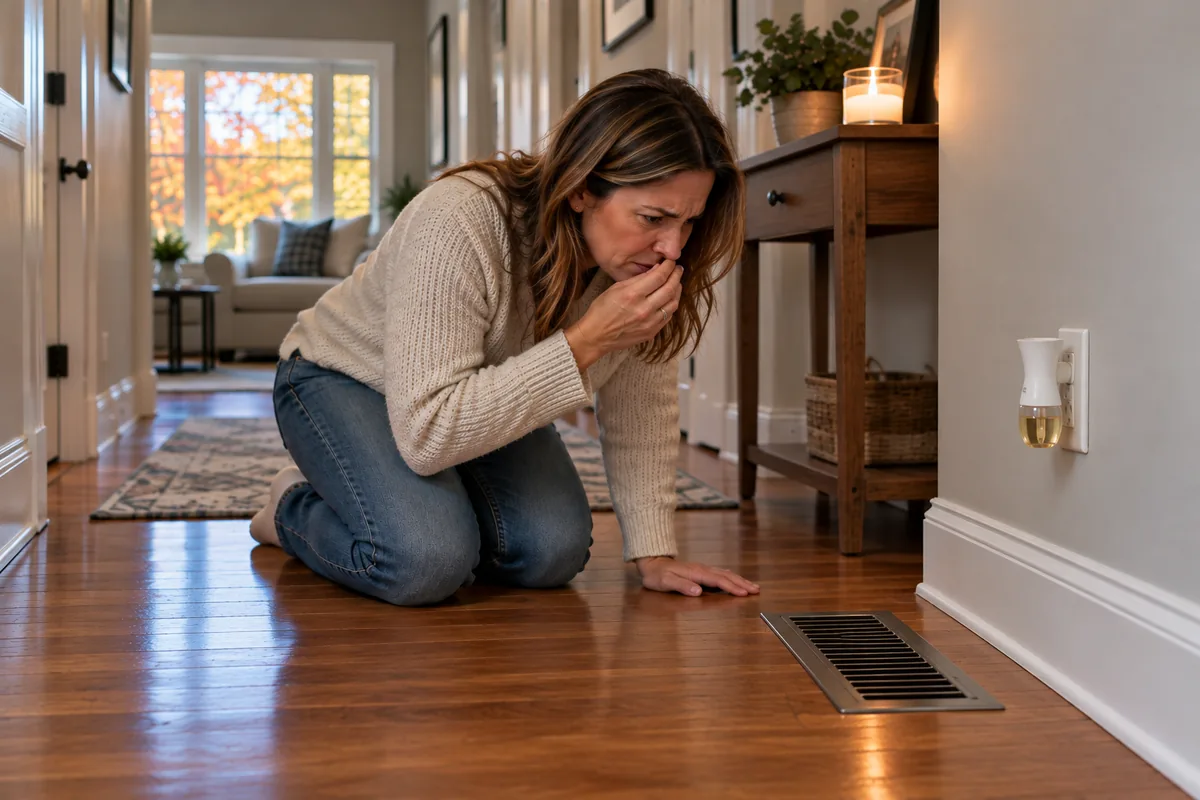
By mid-August, most Triangle homes have been running air conditioning nonstop since May, and plenty of homeowners have noticed the AC isn’t the whole answer. The house still feels sticky, windows still fog up overnight, and the thermostat says 72°F while the air feels like 78°F. If a whole-house dehumidifier is the fix you’ve landed on, the next question is usually what the installation actually involves.
A whole-house dehumidifier installation from Triangle Dehumidifiers, LLC leaves the system calibrated and actively working toward a 45–50% relative humidity target.
The Evaluation Comes First
Triangle Dehumidifiers starts every whole-house job with an evaluation, not a sales pitch. The technician walks the home, checks current indoor humidity with a calibrated meter, and looks at where the problem is actually coming from before recommending equipment.
That evaluation covers square footage and layout, the age and condition of the existing HVAC system, whether the ductwork is accessible from a mechanical room, attic, or crawl space, and whether humidity is a whole-home issue or concentrated in specific rooms. In two-story Wake County homes, it’s common for the upstairs to run drier than a humid ground floor or a finished basement, which changes where the unit gets tied in.
If crawl space moisture is driving the humidity upstairs, the technician flags that during the evaluation. A whole-house unit manages the living area. It doesn’t fix a wet crawl space underneath it. For that comparison, see whole-house vs. crawl space dehumidifiers.
HVAC-Connected or Independent: Which Gets Installed
Both options here are still whole-house dehumidifiers treating the same living space, not a choice between whole-house and crawl space. The evaluation determines which of the two setups makes sense for getting that unit connected.
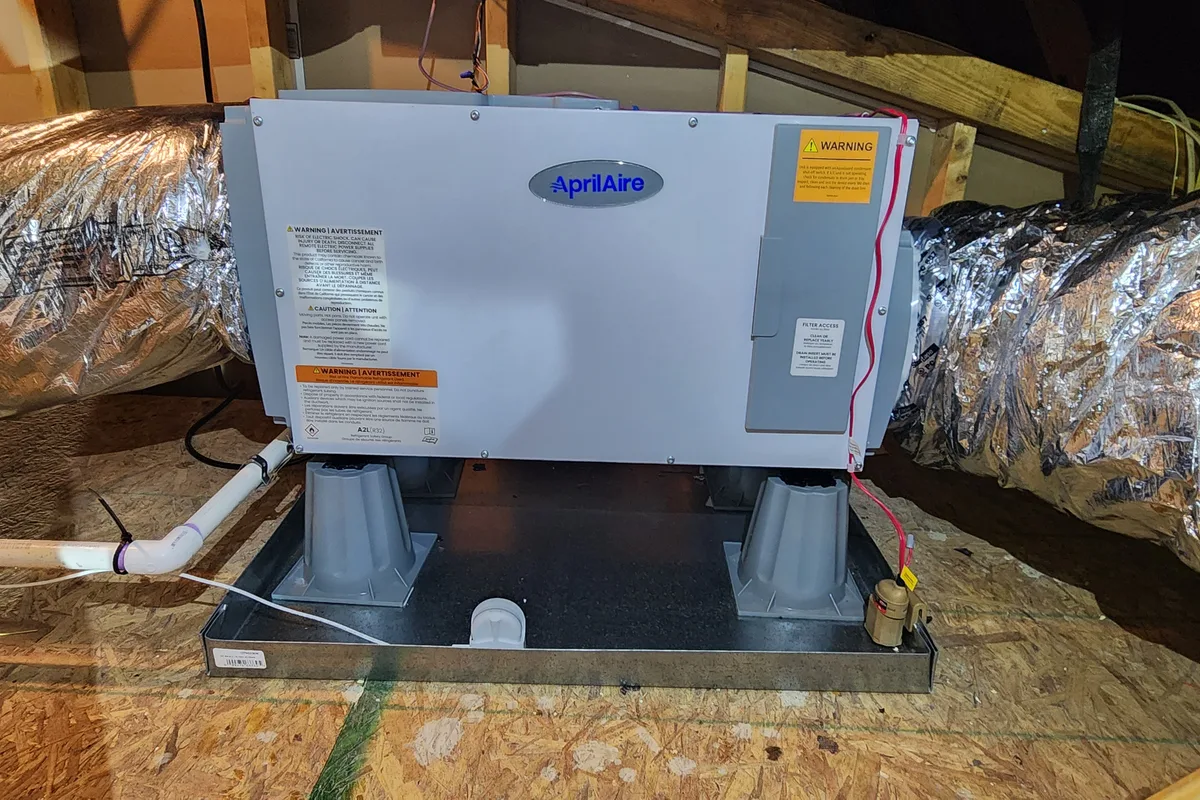
An HVAC-connected whole-house dehumidifier is ducted into the home’s air-distribution system near the air handler. Depending on the selected model and the home’s layout, it may draw humid air from a dedicated return grille or an approved HVAC return connection. It then sends dry air to the HVAC supply side so the existing duct system can distribute it throughout the home. Triangle Dehumidifiers, LLC installs AprilAire whole-house dehumidifiers for this setup, since it’s the more common configuration in homes with a standard forced-air system and accessible ductwork, and it means no new equipment is visible in the living space.
An independent system runs its own dedicated ductwork instead of tapping into the HVAC trunk line. This is the right call when duct access is limited, the mechanical room is far from the main trunk, or the home uses a ductless system that doesn’t give the dehumidifier anywhere to tie in. Independent systems take a little longer to install because the ductwork has to be built rather than connected, but the result works the same way.
Both setups use a permanent condensate drain connection, and the unit runs on its own humidity control settings rather than strictly following the AC’s cooling cycle.
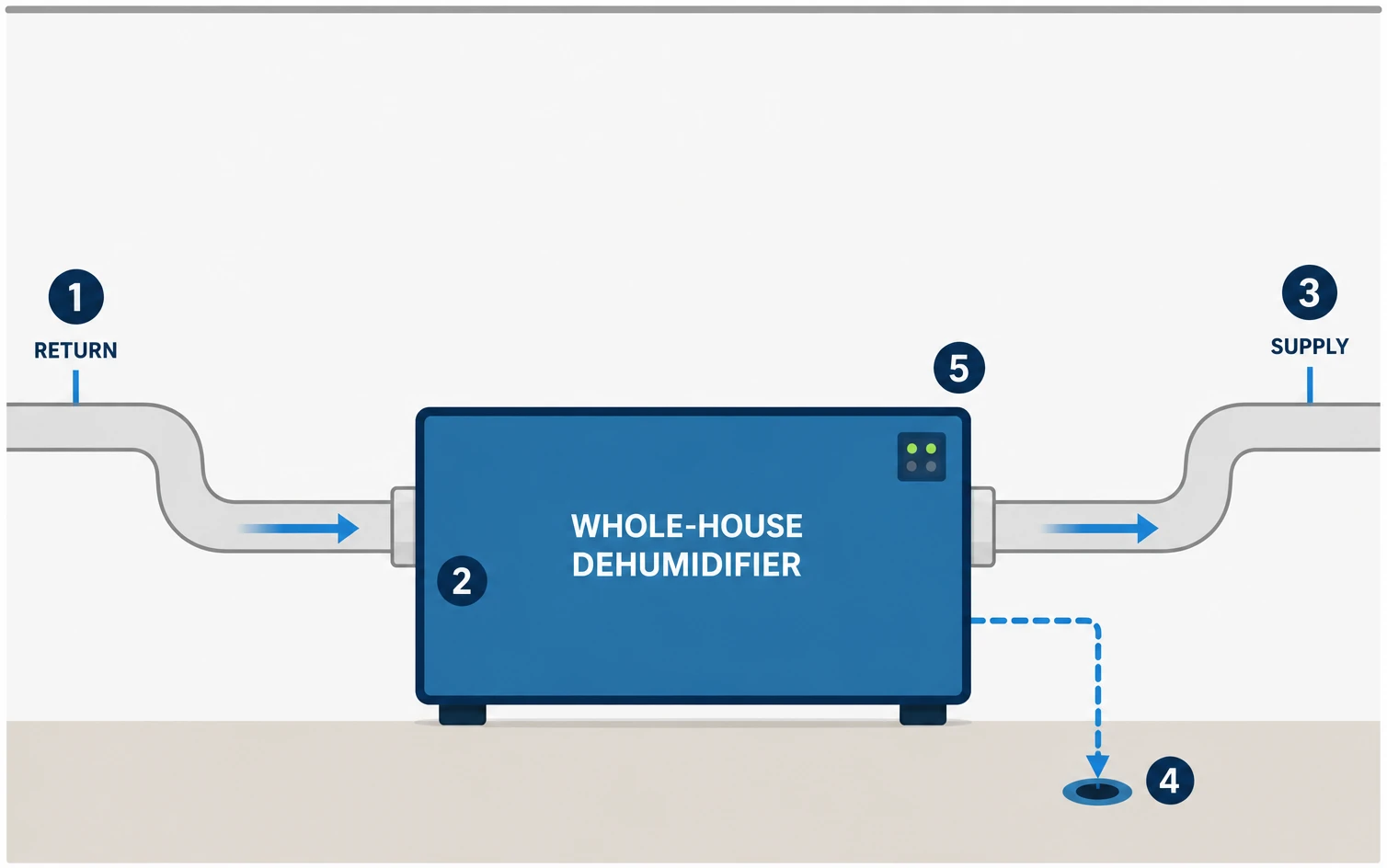
- Return duct: pulls humid air from the house into the unit
- Whole-house dehumidifier: strips moisture from the air passing through
- Supply duct: returns the drier air back into the home
- Condensate line: drains the collected water to a floor drain, sump, or pump
- Control panel: sets and monitors the humidity target
What the Installation Looks Like, Step by Step
Once the setup is decided, installation follows a consistent order.
Positioning the unit. The dehumidifier is mounted near the air handler for an HVAC-connected system, or wherever ductwork can be run cleanly for an independent one. Mechanical rooms, utility closets, attics, and unfinished basements are the most common spots in Wake County homes.
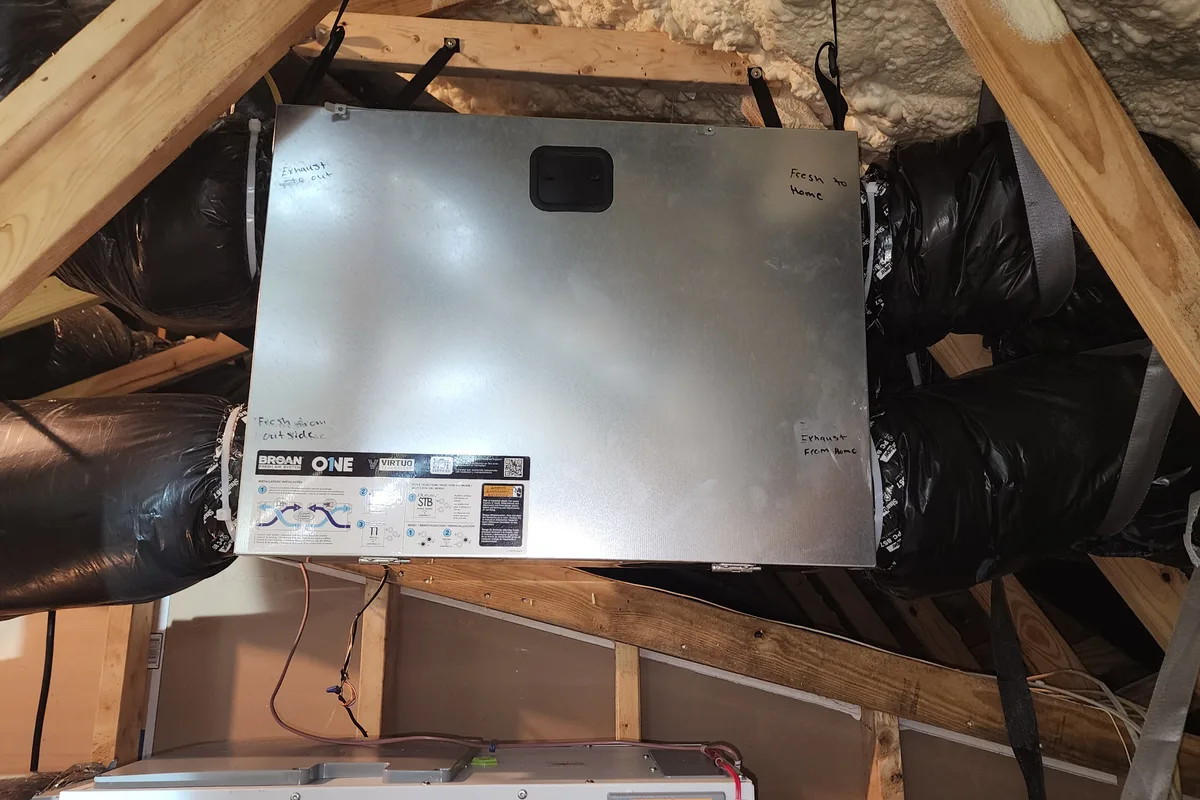
Tying into the ductwork. For an HVAC-connected setup, the technician cuts into the return and supply ducts and connects the dehumidifier so it pulls humid air, treats it, and pushes it back out through the existing system. For an independent setup, dedicated supply and return runs are built to move air through the unit without touching the HVAC ducts.
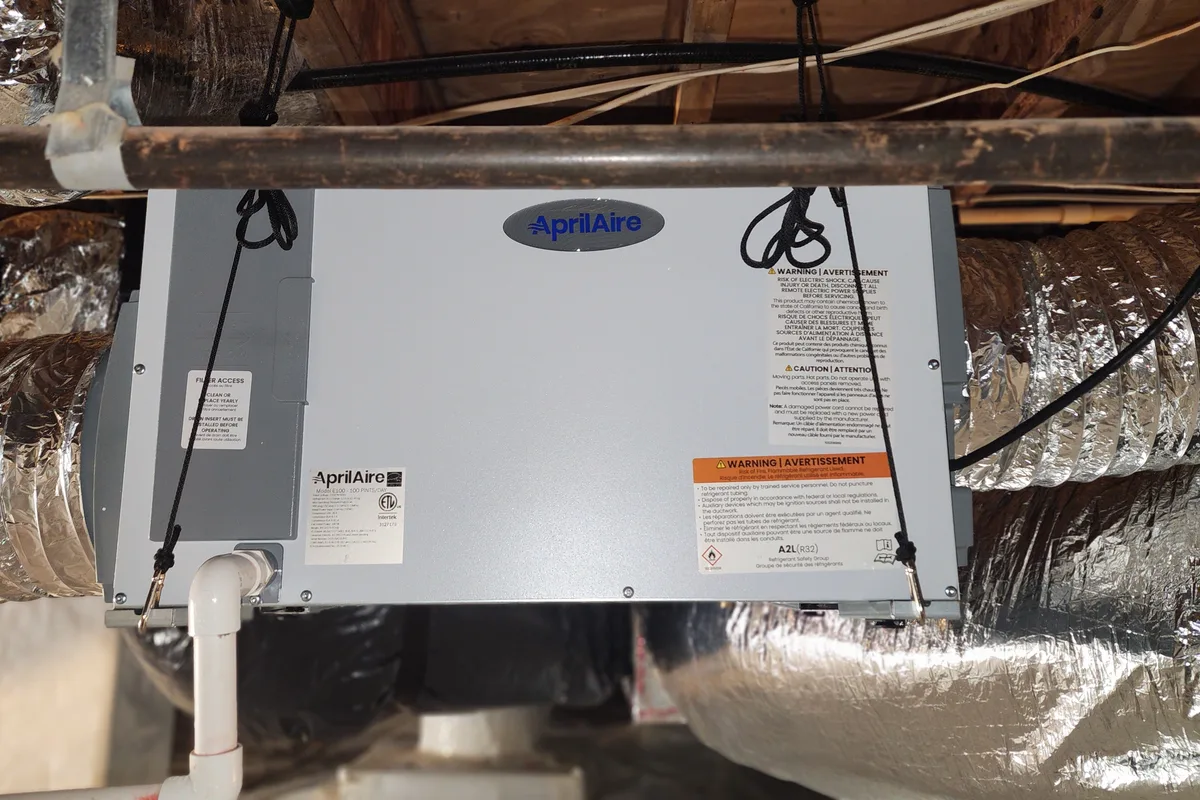
Running the condensate line. Like a crawl space unit, a whole-house dehumidifier needs somewhere for the water it pulls from the air to go. From there, it drains to an approved gravity connection or condensate pump discharge point, following the equipment specs and local code. Where gravity drainage isn’t available, a small condensate pump handles it, included in the installed price.
Electrical connection. The installer confirms what the unit needs electrically and sets up a code-compliant power connection, whether that means a properly rated receptacle, a dedicated circuit, or an upgrade, depending on the model and the home’s existing setup. This is scoped during the evaluation, so there are no surprises on installation day.
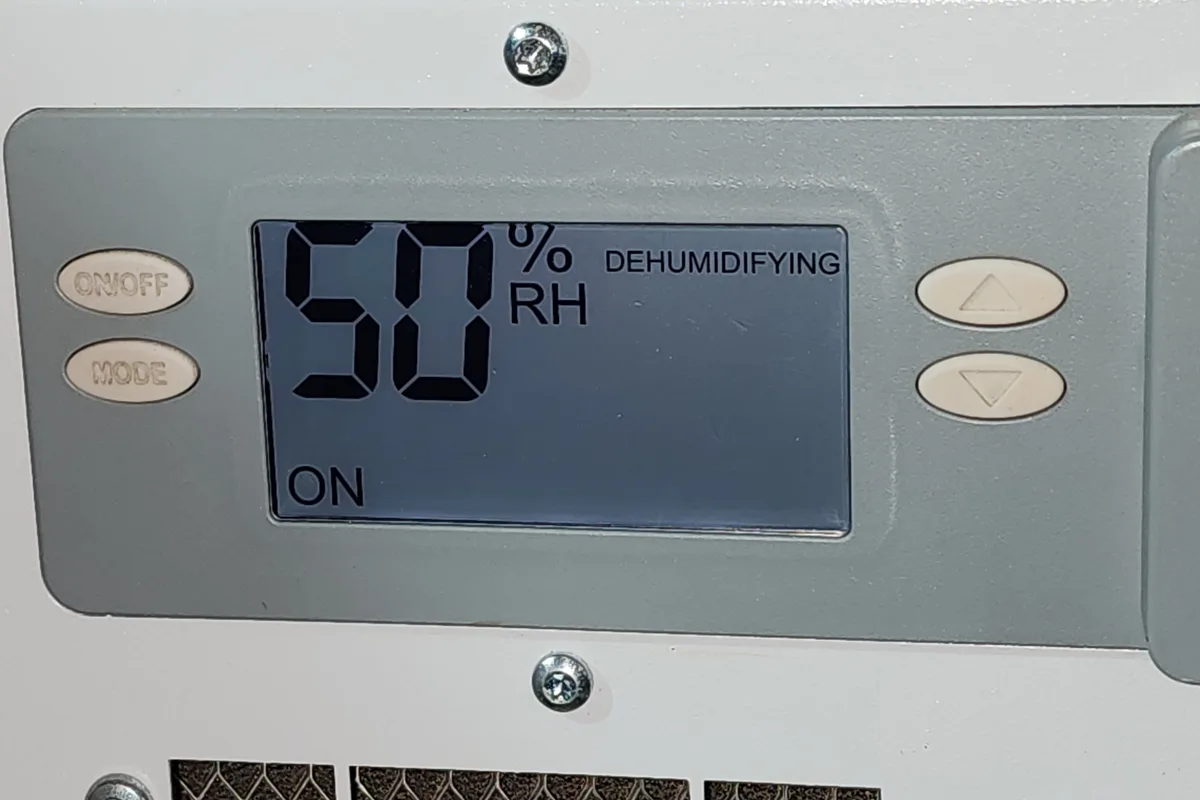
Controls and first calibrated run. With the unit connected, the technician sets the target humidity, typically 45–50% RH for a Triangle home, and confirms the system is pulling return air, draining correctly, and communicating with its controls. Most homes see indoor humidity start dropping within the first few hours of operation.
Why the AC Alone Doesn’t Finish the Job
Air conditioning removes moisture as a side effect of cooling, not as its main job. During a Triangle summer, a well-tuned AC keeps up reasonably well while it’s running long cycles in peak heat. The trouble shows up in spring and fall, when outdoor humidity is still high but temperatures aren’t hot enough to keep the AC running long enough to pull meaningful moisture out of the air. Newer high-efficiency systems make this worse in a way, since they cool the house so quickly that they short-cycle before dehumidification catches up. For more on why this happens even with the AC running constantly, see why your house feels muggy with the AC on.
A whole-house dehumidifier runs on its own humidistat, independent of the thermostat, so it keeps working during the shoulder seasons and mild summer stretches when the AC barely turns on.
What It Costs
A whole-house dehumidifier installation in the Raleigh area runs an estimated $4,500–$5,500 for a standard HVAC integration with accessible ductwork, and $5,000–$7,000 for a home with an older or more complex HVAC system that needs additional ductwork or electrical work.
For a broader comparison of whole-house and crawl space pricing, see dehumidifier cost in Raleigh, NC.
Frequently Asked Questions
Does a whole-house dehumidifier require new ductwork?
Not always. If your home has accessible return and supply ductwork near the air handler, Triangle Dehumidifiers, LLC ties the unit directly into the existing system. If duct access is limited, such as in a home with a ductless mini-split or a mechanical room with no nearby trunk line, the system is installed with its own dedicated ductwork instead.
Will the installation shut down my air conditioning?
The HVAC system may be powered down temporarily while duct and electrical connections are completed, and the technician will walk you through what to expect before that part of the job starts. Your AC is back in operation, working alongside the new dehumidifier, before the technician leaves.
How much does whole-house dehumidifier installation cost in Raleigh?
A standard HVAC-connected whole-house dehumidifier installation in the Raleigh area runs an estimated $4,500 to $5,500. Homes with older or more complex HVAC systems that need additional ductwork or electrical work run $5,000 to $7,000.
Stop Guessing. Get a Free Evaluation and an Exact Quote.
By mid-August, the AC has been running hard for months and most Triangle homes are still fighting sticky indoor air. If you’ve decided a whole-house dehumidifier is the fix, a free evaluation tells you exactly what the installation involves in your home before any equipment is ordered.
Triangle Dehumidifiers, LLC provides free home evaluations throughout Wake County and the Triangle. We’ll check current humidity levels, look at your HVAC setup, and put together a clear project quote based on what your home actually needs. No upsells, no scare tactics.
Call or text us at (919) 867-0580, or request an evaluation online. We serve Raleigh, Cary, Apex, Holly Springs, Fuquay-Varina, Garner, Wake Forest, Knightdale, Morrisville, Durham, and Chapel Hill.